Time:2026-09-29 Form:本站
Choosing an elevator manufacturer is not really a brand-ranking exercise. For a contractor, developer, distributor, or elevator company, the more practical question is simpler: Can this manufacturer reliably deliver the elevator your project actually needs—and still support it after installation?
That sounds obvious, but it changes what you should look at. A polished website, a long product catalog, or an attractive quotation can all be useful. None of them, by themselves, tells you whether an elevator manufacturer is capable of carrying a project from engineering to long-term service.
A factory visit can tell you a lot. It can also tell you surprisingly little.
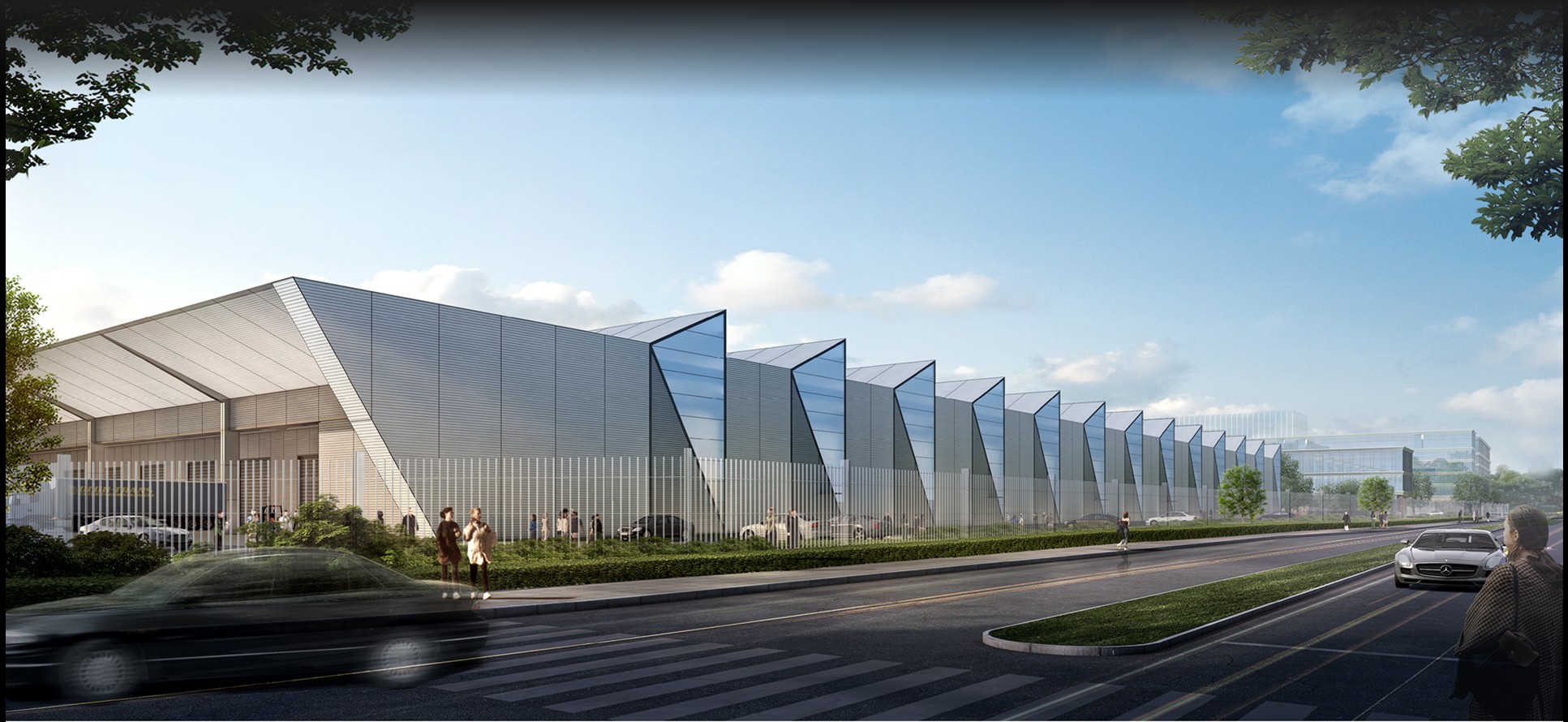
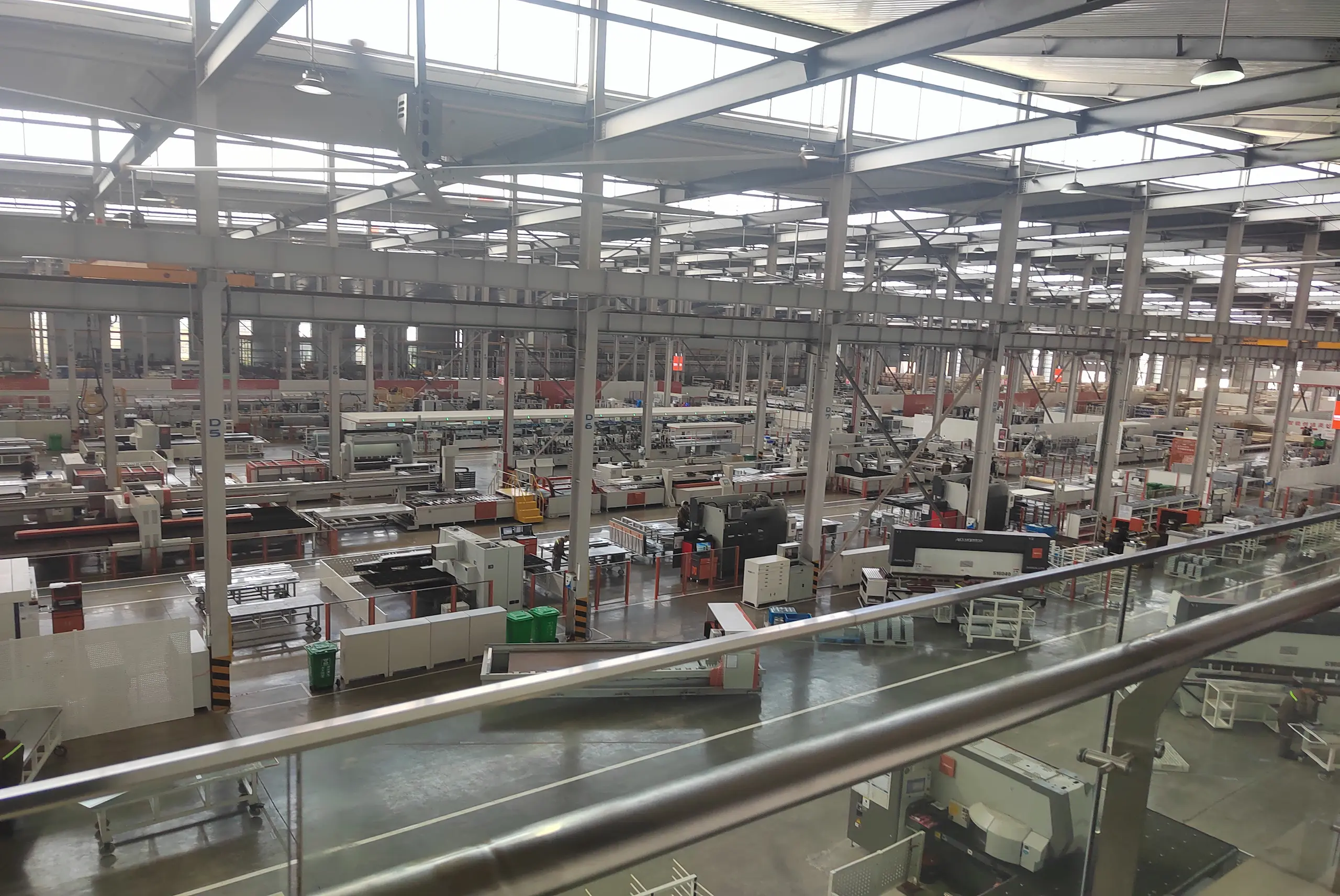
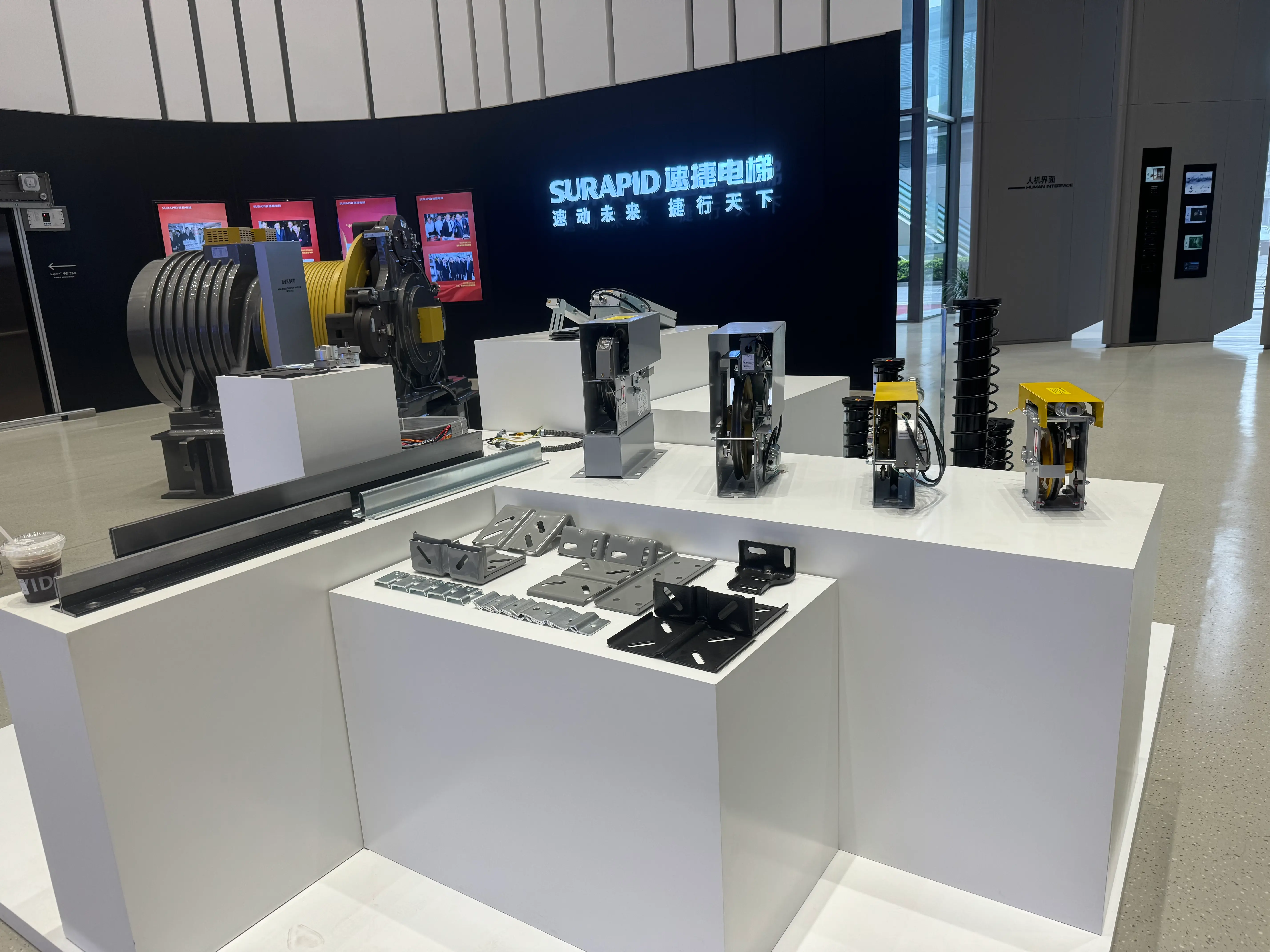
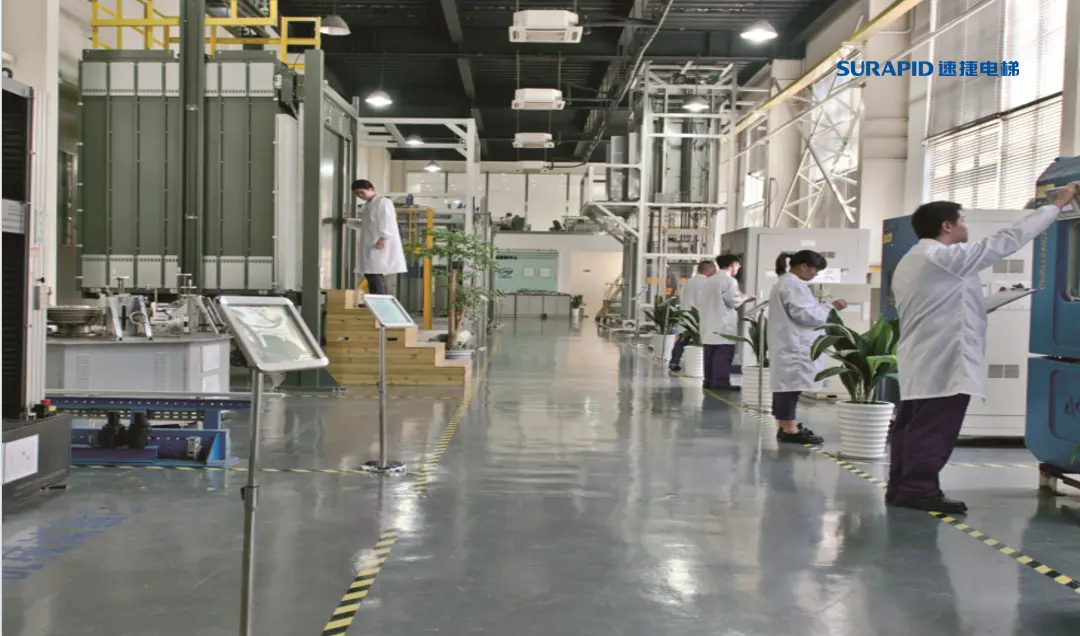
Production lines, testing equipment, warehouse organization and the way workers handle components provide a much better indication of manufacturing reality than a brochure alone. More importantly, look at whether the manufacturer actually controls the processes behind the equipment it sells.
This does not mean every reliable elevator manufacturer must produce every component itself. Specialist suppliers can be highly capable, and outsourcing is normal across the manufacturing industry. What matters is whether the manufacturer understands and controls the parts of the system that are critical to your project.
For a demanding project, manufacturing depth tends to matter more than the size of the factory entrance. A large building is easy to photograph. Consistent production is harder to demonstrate.
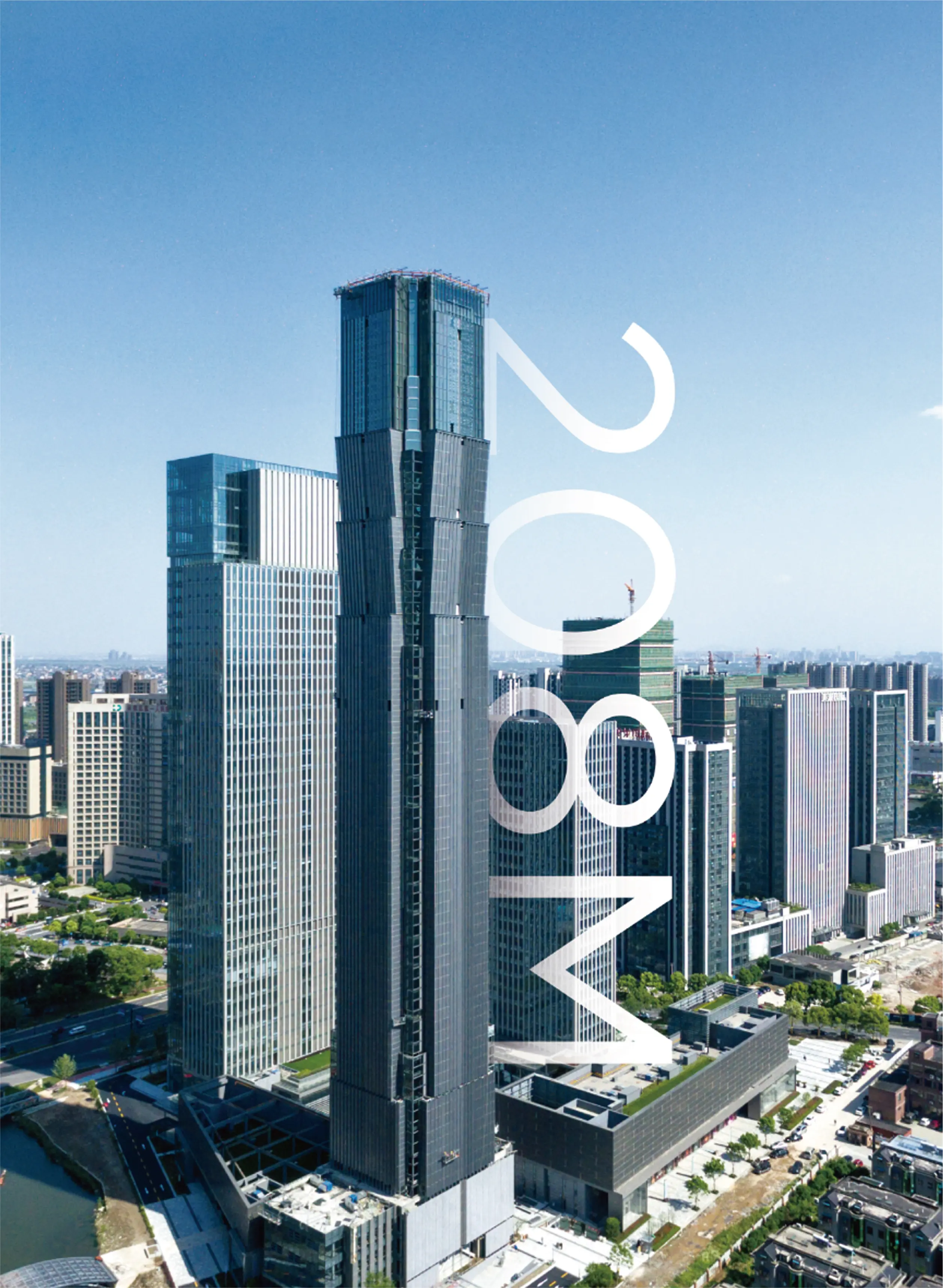
A serious elevator manufacturer developing high-speed or high-rise equipment normally needs appropriate testing infrastructure. But there is no universal tower height that automatically separates a reliable manufacturer from an unreliable one.
The reason is fairly simple: testing requirements depend on what is being developed. A facility used for conventional products does not need to serve exactly the same purpose as one designed for high-speed or high-rise R&D. Industry examples range from smaller high-rise test facilities to towers exceeding 200 meters.
So the better question is not simply, “How tall is the tower?”
It is what the manufacturer can actually do with it. Can it test the speeds and operating conditions relevant to your projects? Can it validate ride quality, braking, control performance and safety functions under realistic conditions?
A tall tower is certainly useful evidence of technical capability. But the testing program behind it matters more than the number printed on the building.
An elevator is a system rather than a single product. Traction, doors, controls, safety devices and other components have to work together over a very long service life.
This is why it is worth understanding how an elevator manufacturer handles critical components. Some manufacturers produce key components themselves; others rely on specialist suppliers. Neither approach is automatically right or wrong.
What matters is the degree of engineering and supply-chain control behind the finished system.
For international projects, this can become particularly important when specifications change during engineering or when replacement components are needed years later. A manufacturer with deeper control over critical technologies may have more flexibility, although a strong specialist supplier network can offer advantages of its own.
In other words, don't ask only whether a manufacturer is “fully in-house.” Ask whether its manufacturing model gives your project the control and continuity it actually needs.
Certification is important, especially when an elevator will be installed in another country with its own regulatory requirements.
But certification should be treated as a baseline rather than the entire quality argument.
Two elevator manufacturers can hold comparable certifications while having very different production discipline. What happens between certification audits matters too: how components are inspected, how finished elevators are tested, whether production is traceable, and whether safety-critical functions are checked consistently.
This is one reason an experienced buyer should be interested in the manufacturer's testing and quality-control process, rather than simply collecting certificates in a procurement file.
A certificate tells you that certain requirements have been addressed. Manufacturing discipline tells you something about how those requirements are maintained in practice.
This is probably the least exciting part of choosing an elevator manufacturer—and one of the easiest to underestimate.
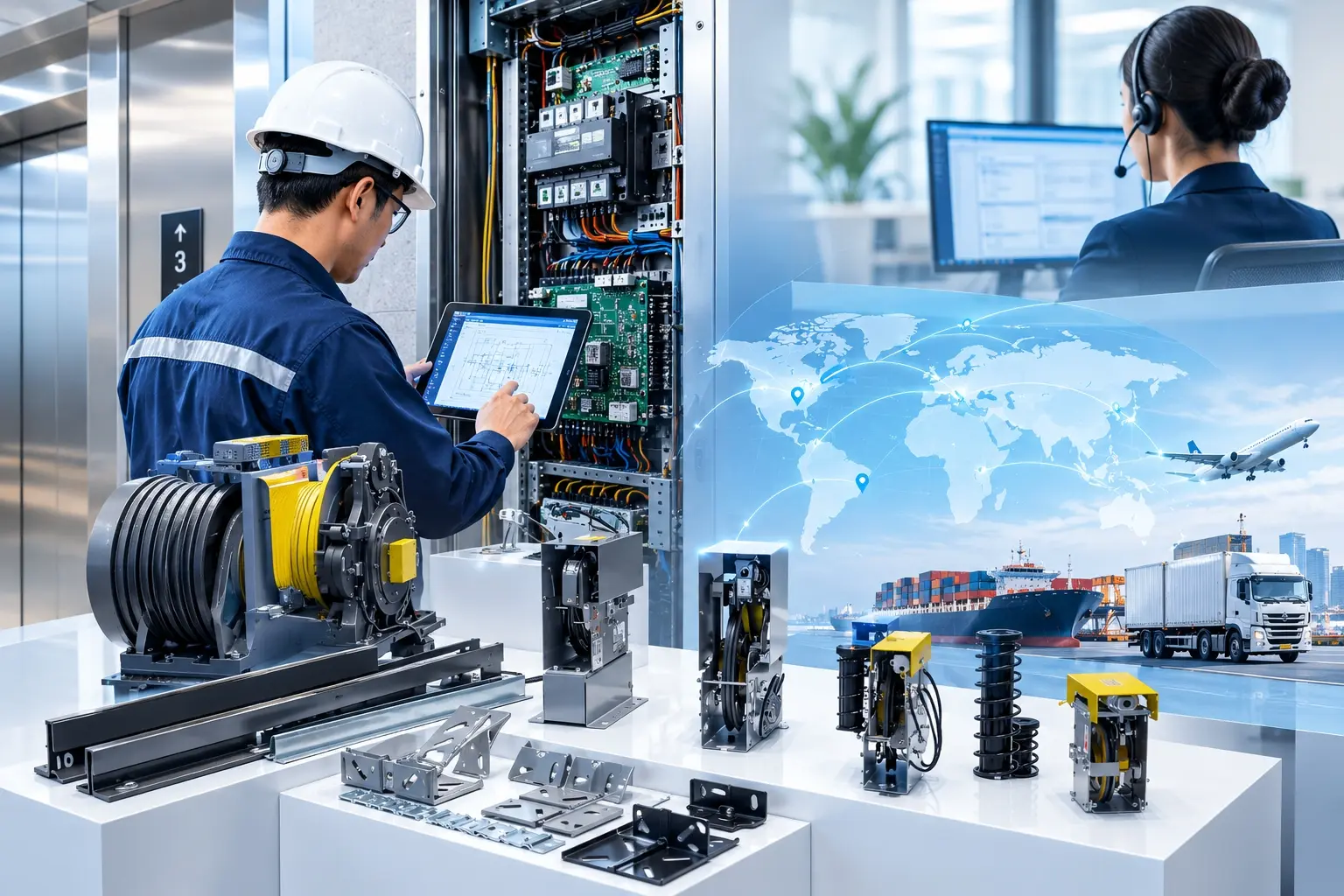
An elevator may be manufactured and installed within a relatively short project period, but the equipment can remain in service for decades. If technical documentation is poor, spare parts are difficult to obtain, or communication with the manufacturer becomes slow, the original equipment price can quickly become a much smaller part of the overall problem.
International projects make this even more obvious. The manufacturer may be thousands of kilometers away, while the installation team and building owner need answers immediately.
That does not necessarily mean the original manufacturer must perform every maintenance task itself. Local service companies and independent specialists can play an important role. What matters is whether the manufacturer provides the technical information, parts support and engineering assistance necessary to keep the equipment maintainable.
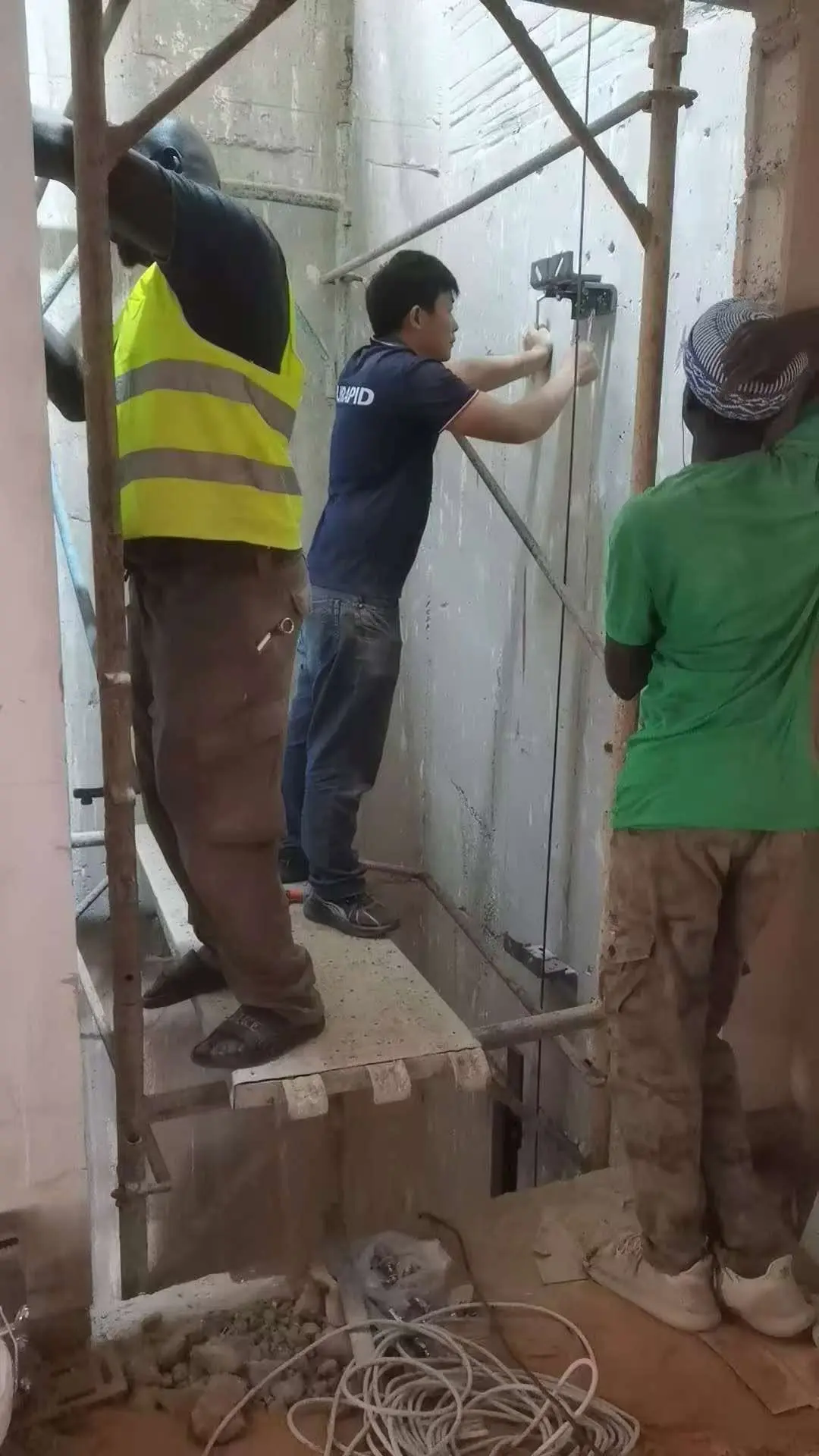
A manufacturer may have supplied thousands of elevators. That sounds impressive, but it does not necessarily tell you whether it understands your project.
A hospital project presents different requirements from a freight installation in an industrial facility. A high-rise building introduces different engineering demands from a low-rise commercial development. Local regulations and site conditions can change the solution again.
For that reason, relevant project experience is usually more informative than a long list of famous customer names.
A useful conversation with an elevator manufacturer should eventually move beyond “How many elevators have you supplied?” toward “Have you handled projects similar to ours, and what did those projects require?”
The answer often tells you much more about engineering competence.
Price inevitably matters in elevator procurement. But comparing manufacturers only by equipment price can make the comparison misleading.
A cheaper quotation may become expensive if design changes cause delays, technical communication breaks down, or a critical component becomes difficult to source. On the other hand, a higher quotation does not automatically represent better value.
The more useful comparison is the level of project risk behind the quotation.
For a contractor or developer, a manufacturer that can coordinate engineering, production, documentation and delivery consistently may reduce costs that never appear on the original quotation. This is especially important when elevator installation sits on the critical path of a larger construction project.
The lowest price is a number. The reliability of the supply chain is something you discover later.
There is another situation worth considering, particularly for established elevator companies and regional distributors.
Not every buyer needs an elevator under the manufacturer's own commercial brand. A local elevator company may already have its own sales, installation and maintenance capabilities but need additional manufacturing capacity for a project. Others may need equipment built around their own technical requirements or a longer-term OEM arrangement.
In that case, the question becomes less about finding a manufacturer for one order and more about finding a manufacturing partner.
Engineering communication, customization, production consistency and the ability to support repeated projects become important. A manufacturer that can supply one shipment competitively is not necessarily the same manufacturer you would choose for an ongoing OEM relationship.
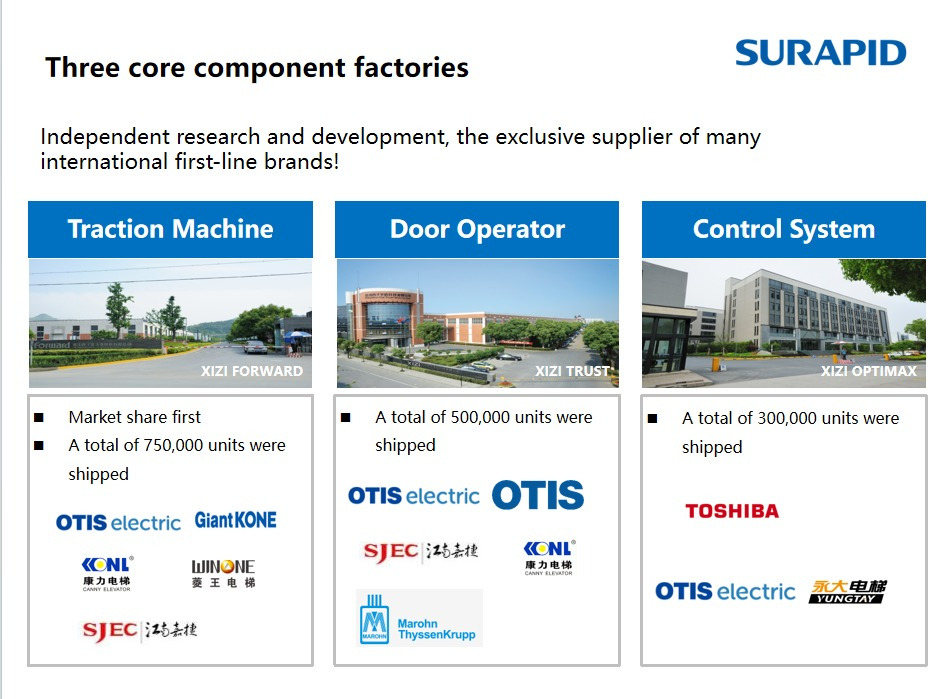
This is where the difference between a manufacturer's marketing claims and its underlying capabilities becomes easier to see.
SURAPID brings more than 40 years of elevator R&D and manufacturing experience within the XIZI UHC group, alongside a 208-meter test tower and dedicated core-component manufacturing capabilities.
Those are not reasons to choose a manufacturer by themselves. They are simply concrete points that can be checked against the criteria above.
For projects or OEM manufacturing requirements, you can send SURAPID your drawings, specifications or project details for further discussion.
Prev:How to Choose A Right Hospital Elevator
Next:No More