Time:2026-11-23 Form:本站
Buying one elevator is mainly an equipment decision. Buying several for a residential or commercial development also means coordinating specifications, quotations, delivery schedules, and installation.
Consider a development with three apartment buildings. Each needs two elevators, but the shaft dimensions differ, and one building will be completed several months later than the others. Ordering six identical units may seem efficient, yet the equipment may not suit every building—or arrive when the site is ready.
For developers, contractors, and procurement teams, multi-elevator procurement is about more than negotiating a lower unit price. The goal is to source suitable equipment for each building while keeping costs, delivery, and responsibilities clear.
Plan across the development. Confirm each building's requirements before combining them into one purchase.
Standardize where practical. Similar features can simplify purchasing, but important specifications must reflect individual building needs.
Compare the complete offer. Equipment, shipping, technical support, and installation responsibilities all affect the purchasing decision.

Several elevators in one development may share specifications without being interchangeable.
Two residential towers might use similar passenger elevators but have different travel heights or shaft dimensions. A mixed-use development may also require different equipment for residential and commercial areas.
Before contacting manufacturers, prepare one equipment list covering the entire project. Include the building name, number of elevators, intended use, preliminary specifications, and expected delivery phase.
This does not need to be a complicated engineering document. A well-organized spreadsheet is often enough to begin discussions.
For example, two apartment towers may each require four passenger elevators, while a separate commercial building needs two larger units. Treating all ten elevators as one identical specification would overlook those differences.
The practical approach is to combine purchasing coordination without forcing every elevator into the same configuration.
Start with the building information that affects equipment selection:
Building use and traffic: Residential, office, commercial, or mixed-use; expected passenger demand.
Elevator requirements: Quantity, rated load, speed, travel height, stops, and door arrangements.
Available space: Shaft dimensions, pit depth, overhead clearance, and door openings.
Project requirements: Cabin finishes, accessibility, operating functions, and applicable local standards.
Architectural drawings help the manufacturer check whether the proposed equipment fits the building. They can also reveal requirements that are easy to miss in a basic quotation request.
Similar buildings may be able to share cabin finishes, compatible control platforms, or selected components. This can simplify specification discussions and future maintenance planning.
Other requirements need individual attention. Capacity, speed, travel height, shaft dimensions, and door configurations may differ even between buildings in the same development.
The number and performance of elevators should also reflect expected passenger traffic. Floor count alone is not a reliable basis for deciding how many units a building needs.
For more detailed planning guidance, CIBSE Guide D: Transportation Systems in Buildings covers elevator traffic planning and selection.
Buyers exploring typical residential or commercial configurations can review SURAPID's passenger elevator range.
You can begin supplier discussions with preliminary drawings and specifications. However, make it clear which details are still subject to approval.
A later change to shaft dimensions, door openings, or travel height may affect the configuration, quotation, and delivery schedule.
Before releasing equipment for production, confirm the approved technical requirements and how any subsequent changes will be handled.
If you already have building drawings and a preliminary elevator list, you can share them with SURAPID to discuss equipment options and the information needed for a project quotation.
A competitive price for one elevator does not necessarily mean a supplier is the right fit for a multi-building development.
Four questions help narrow the choice.
Can the manufacturer supply the required configurations?
Check whether its product range covers the project's different capacities, speeds, dimensions, and operating functions. Some requirements may need additional technical review.
How will the technical details be confirmed?
Ask how drawings are reviewed, who resolves specification questions, and what needs approval before production.
Can delivery be coordinated with construction?
If different buildings require equipment at different times, discuss production lead times and shipping arrangements early. Request a schedule that identifies any important conditions or dependencies.
What support is available after shipment?
Clarify technical documentation, warranty coverage, spare parts, and communication with the local installation company.
These questions help distinguish a suitable project supplier from one offering an attractive equipment price without a clearly defined supply arrangement.
Comparable project references can provide additional confidence, but buyers should still assess the proposed equipment and contractual scope on their own merits.
For further guidance, see how to choose a reliable elevator manufacturer.
When comparing bulk elevator quotations, first make sure every supplier is pricing the same requirements.
One quotation may include export packaging and freight, while another covers equipment only. Installation, commissioning assistance, spare parts, and other services may also be quoted separately.
Use the following points to compare the full offer.
| Quotation item | What to check |
|---|---|
| Equipment | Quantity, capacity, speed, stops, doors, finishes, and included functions |
| Technical documentation | Drawings, manuals, and required supporting documents |
| Packaging and freight | Export packaging, shipping, insurance, destination, and trade terms |
| Installation and commissioning | Included services, exclusions, and local contractor responsibilities |
| Warranty and spare parts | Coverage, exclusions, availability, and support arrangements |
| Delivery | Lead times, shipment schedule, and phased delivery conditions |
Suppose two manufacturers quote 12 passenger elevators. One offers a lower unit price but excludes freight and certain services. The other provides a higher equipment price with a broader supply scope.
Neither quotation can be judged on unit price alone. Compare the total cost of meeting the project's requirements, including any work or services that the buyer must arrange separately.
For international orders, the agreed Incoterms rule is another important detail. ICC Incoterms 2020 helps clarify selected transport obligations, costs, and risk allocation.
Not necessarily.
Ordering several similar units may offer opportunities for better commercial terms or consolidated shipping. Different configurations, custom finishes, and separate delivery dates can offset some of those savings.
Ask suppliers to explain how the proposed quantity and delivery arrangement affect the quotation. A discount is only useful if the overall offer still meets the project's needs.
A shipment schedule should reflect when the buildings can actually receive the equipment.
If all the elevators arrive while only one building is ready, the project may face additional storage and handling requirements. Conversely, too many separate shipments may increase freight costs and coordination work.
Consolidated delivery may make sense when buildings have similar construction schedules, sufficient storage, and suitable unloading access.
Phased delivery may work better when buildings will be ready at different times or when on-site storage is limited.
Before placing the order, confirm:
Production: Agreed lead times and drawing-approval milestones.
Shipping: Shipment quantities, destinations, trade terms, and transport responsibilities.
Site readiness: Access for unloading, suitable storage, and construction progress.
Installation: The local installation company and expected installation sequence.
Technical support: How questions arising during installation and commissioning will be handled.
Compliance: Applicable local standards, inspections, and approval responsibilities.
For international projects, the equipment supplier and installation contractor may be separate organizations. Their responsibilities should be defined in the relevant contracts and coordinated before shipment.
The most useful delivery schedule is not necessarily the earliest. It is one that works with the construction program and the agreed installation arrangements.
SURAPID supplies elevator equipment for residential and commercial developments, including projects requiring multiple units.
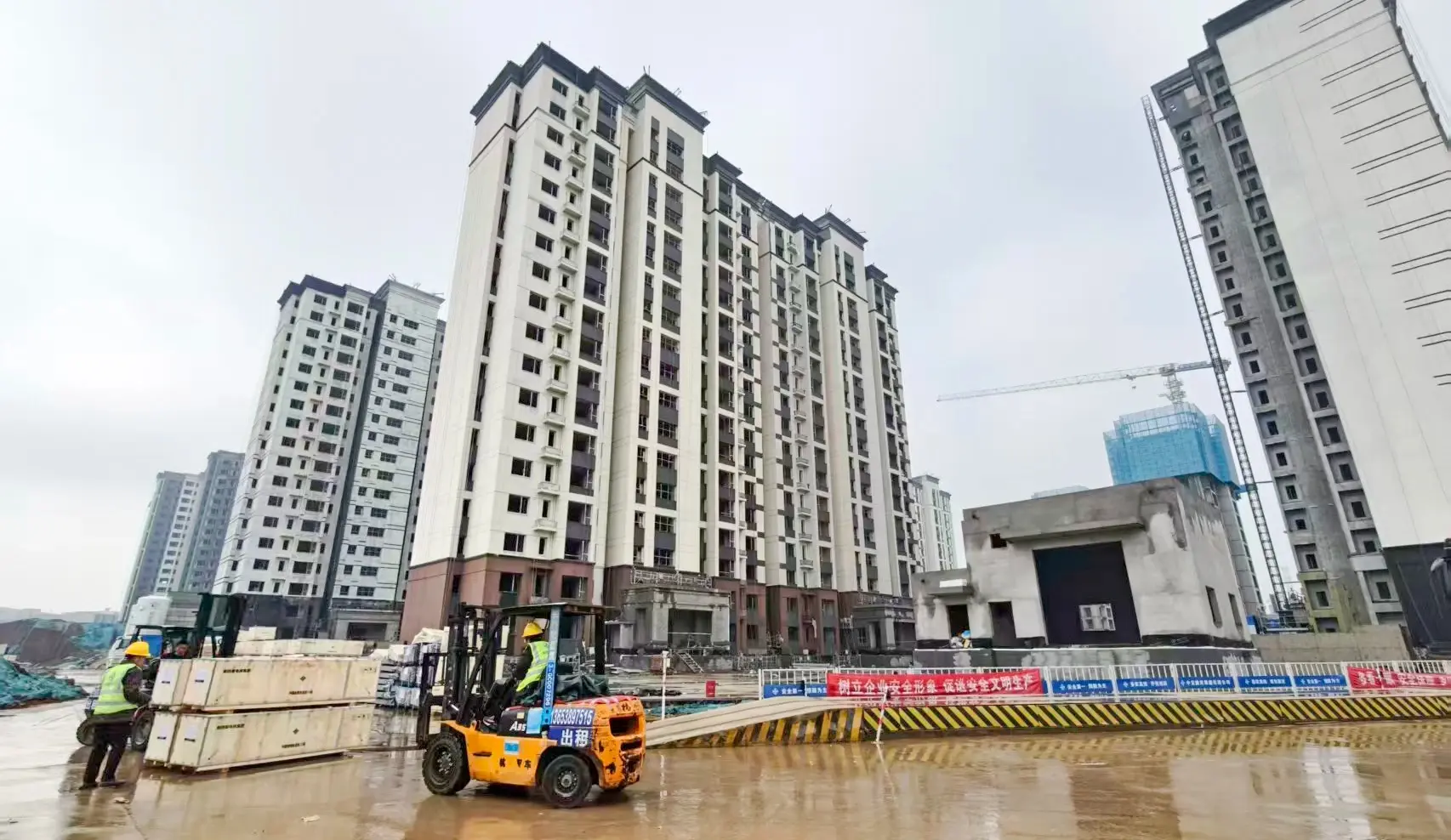
A published example is its 61-elevator residential development project, involving multiple buildings of approximately 21 floors and a development planned to accommodate more than 1,600 households. The project report also records an initial delivery of 47 elevators to the construction site.
This provides a documented example of multi-unit equipment supply without assuming that every new project will have the same requirements or delivery arrangements.
For international projects, SURAPID supplies elevator equipment and the agreed technical documentation, while installation is handled by locally established partners. The exact scope of supply, technical support, commissioning responsibilities, and after-sales arrangements should be confirmed for each order.
If you are sourcing elevators for several apartment buildings, a commercial development, or a mixed-use project, prepare the basic information before requesting a quotation:
Project country and building types
Number of elevators required
Preliminary specifications or architectural drawings
Target delivery schedule
Special equipment or local compliance requirements
Contact SURAPID to discuss your requirements and request a project quotation.
The number depends on expected building population, passenger traffic, travel distances, and service requirements. A qualified traffic analysis helps determine a suitable number and configuration.
Yes. Residential towers, commercial buildings, and shared facilities may require different models. Buyers can still standardize suitable features where technical requirements allow.
Lead times vary with equipment quantity, customization, component availability, drawing approval, production scheduling, and shipping. Request a project-specific schedule rather than relying on a general estimate.
Not necessarily. Consolidated shipping may reduce coordination and freight complexity, while phased deliveries can better match buildings with different construction schedules.
Provide the project location, building types, elevator quantities, available specifications, drawings, and expected delivery dates. The manufacturer can then identify any further information needed for an accurate quotation.