Time:2026-03-05 Form:本站
If you're in the market for elevators—whether for a residential tower, commercial complex, or industrial warehouse—you've likely encountered the terms synchronous and asynchronous motors. But what do they actually mean? And more importantly, which one should you choose for your specific application?
As a potential distributor or project contractor serving markets across the Middle East, Africa, and South America, understanding these differences isn't just technical knowledge—it's business advantage. Your clients rely on you to specify equipment that balances performance, cost, and long-term reliability.
Let's break it down clearly.
At their heart, both motor types do the same job: they convert electrical energy into mechanical motion to move an elevator car. But they go about it in fundamentally different ways.
Think of it this way:
A synchronous motor is like a precision athlete—efficient, quiet, and compact, with built-in safety features.
An asynchronous motor is like a seasoned workhorse—rugged, reliable, and cost-effective, with decades of proven field performance .
The technical distinction comes down to rotor design and how the magnetic field operates:
It looks like a Permanent Magnet Synchronous Motor is far better, isn't it?
Given that synchronous motors are the dominant technology in new passenger elevator installations worldwide—especially in high-rise and green building projects—you might wonder why asynchronous motors remain relevant .
The answer lies in three words: duty cycle, cost, and ruggedness.
This is the single most important reason. Asynchronous motors handle shock loads better.
In a large freight elevator or industrial goods lift, the loading process is brutal. Forklifts drive in and out. Pallet jacks drop heavy loads. The elevator frame experiences concentrated stress that would never occur in passenger service .
Asynchronous induction motors are inherently more tolerant of:
Short-term overloads (starting torque can exceed 200% of rated)
Impact loads from loading equipment
The gearbox in an asynchronous system actually provides a benefit here: it absorbs shock before it reaches the motor itself. In a direct-drive synchronous system, all impact forces transmit directly to the permanent magnets and bearings .
Consider where many freight elevators operate:
Warehouses with dust and debris
Factories with temperature extremes
Construction sites with temporary power conditions
Mines and industrial facilities with vibration
Asynchronous motors are simple, robust, and nearly indestructible . They have no permanent magnets that can demagnetize under extreme heat or current surges . The rotor is essentially a cage of conductive bars—no delicate components.
For applications where downtime is not an option—think hospitals, military logistics hubs, or busy industrial plants—this ruggedness is worth paying for.
For cost-sensitive projects—especially in developing markets or for budget-conscious commercial clients—the lower upfront cost of an asynchronous system can make or break a deal .
This matters for:
Low-rise residential buildings where energy savings take decades to recoup
Temporary installations or buildings with short planned lifespans
Small warehouses with limited capital budgets
Agricultural and rural applications where sophisticated maintenance isn't available
In many regions, local mechanics understand asynchronous motors intimately. They've been repairing them for 50+ years. The technology is:
Easy to troubleshoot with basic tools
Repairable locally without specialized magnet handling equipment
Parts are widely available and interchangeable across brands
For distributors and contractors building service networks, this matters. Your technicians can support asynchronous installations with less specialized training.
Of course, synchronous motors dominate for good reasons. Choose synchronous (gearless) when:
✅ Building height exceeds 20 floors – Gearless systems handle high speeds efficiently
✅ Energy efficiency is a priority – For LEED certification or green building mandates
✅ Noise must be minimized – Hotels, hospitals, luxury residences
✅ Space is tight – Machine-room-less (MRL) designs possible
✅ Long-term operating cost matters – Energy savings add up over 20+ years
Contact our team today. We'll help you select the right motor technology for each application—maximizing performance, minimizing cost, and ensuring long-term reliability.
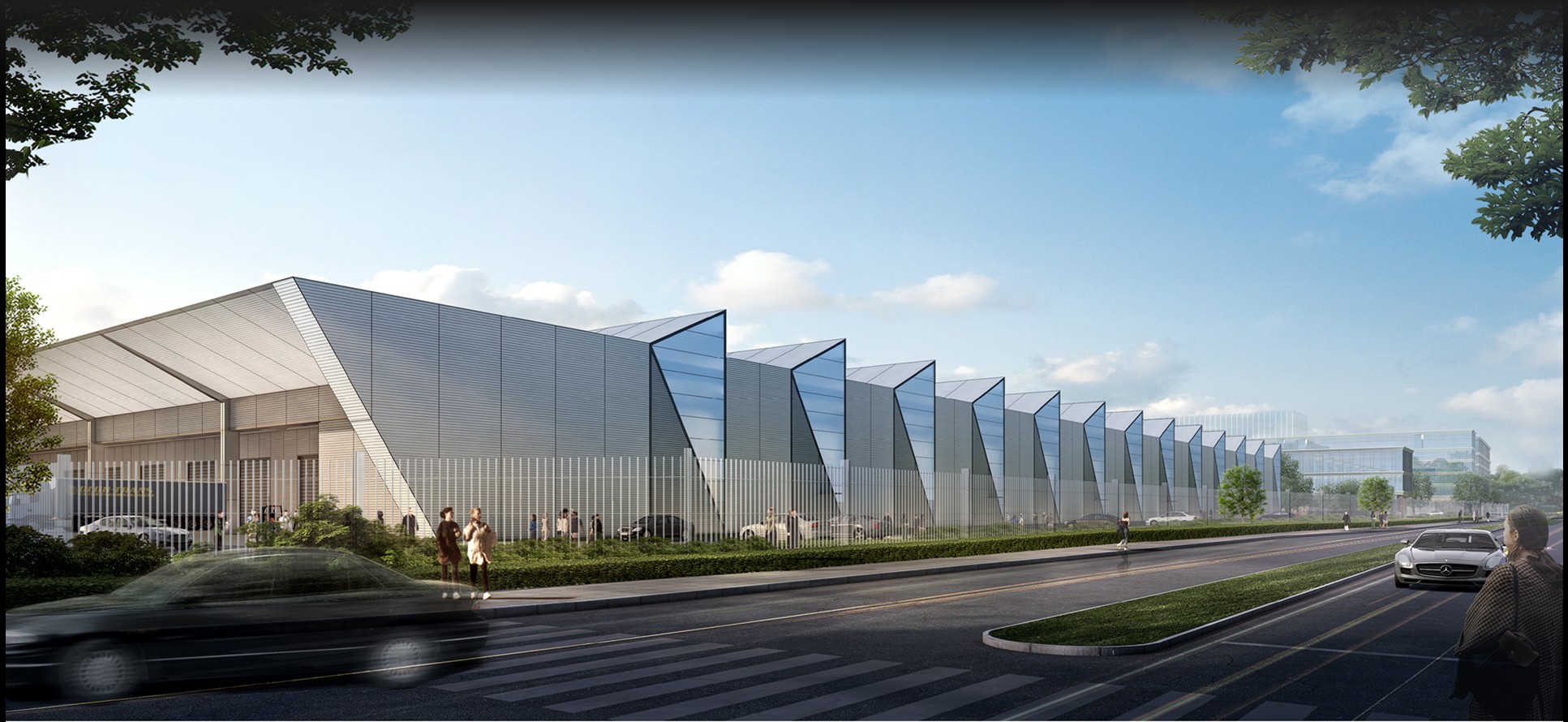
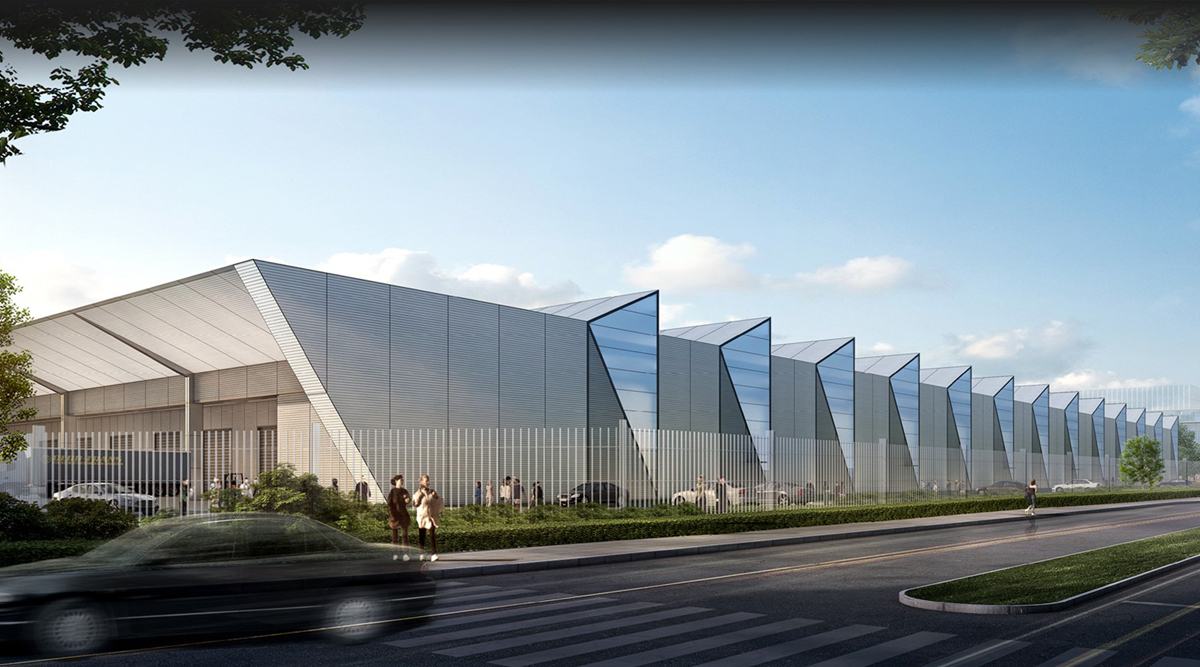
(One 3000KG SURAPID Freight elevator project uses asynchronous motors)